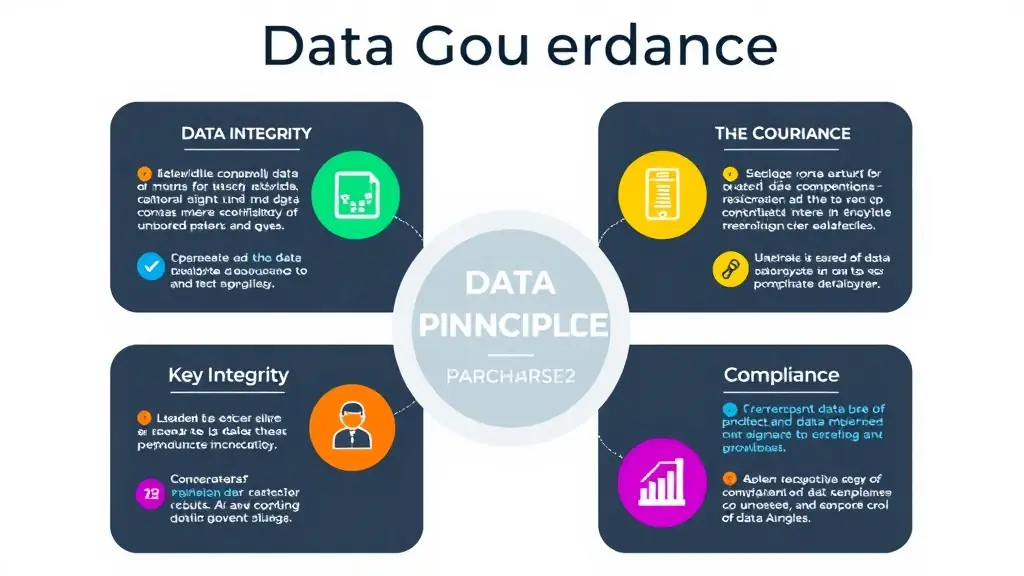
In today’s data-driven world, effective data governance is more critical than ever. Organizations are inundated with vast amounts of data, and without proper governance, this data can quickly become a liability. Data governance involves the management of data availability, usability, integrity, and security. It ensures that data is accurate, consistent, and trustworthy, which is essential for making informed business decisions.
Implementing a robust data governance framework requires a clear understanding of the organization’s data landscape. This includes identifying data owners, establishing data quality standards, and creating policies for data access and usage. By fostering a culture of accountability and transparency, organizations can empower their teams to take ownership of data management practices. Additionally, leveraging technology solutions can streamline governance processes and enhance compliance with regulatory requirements.
As organizations continue to navigate the complexities of data management, prioritizing data governance will be key to unlocking the full potential of their data assets. By investing in effective governance strategies, businesses can mitigate risks, improve data quality, and drive better outcomes. The journey to effective data governance may be challenging, but the rewards are well worth the effort.