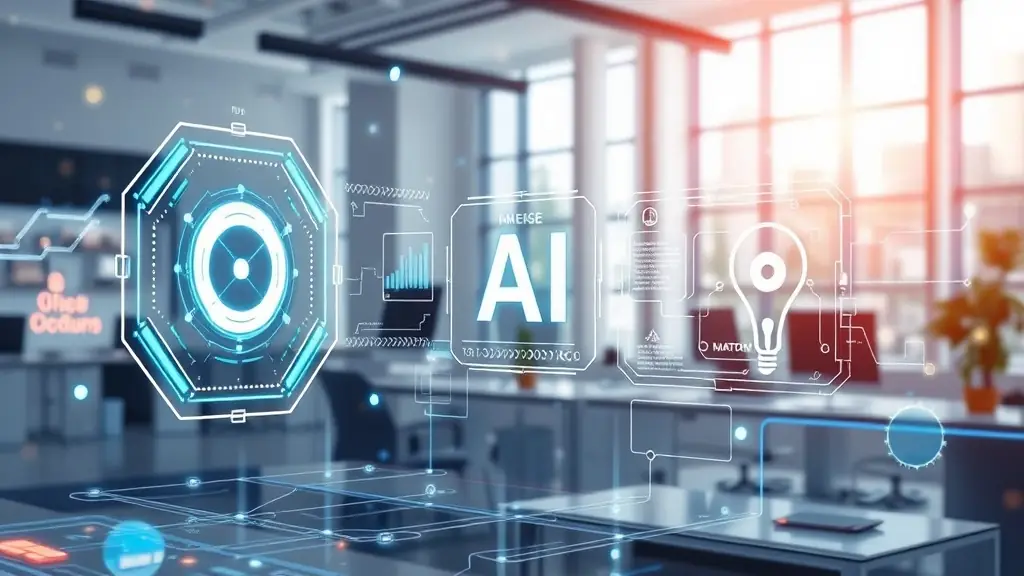
Artificial intelligence (AI) is no longer just a buzzword; it is a powerful tool that is reshaping industries across the globe. Businesses are leveraging AI to enhance customer experiences, streamline operations, and make data-driven decisions. As AI technology continues to evolve, its applications are becoming more sophisticated, allowing organizations to gain deeper insights into their data. In this article, we will delve into the various ways AI is being utilized in business today and what the future holds for this transformative technology.
One of the most significant impacts of AI is its ability to analyze vast amounts of data quickly and accurately. This capability enables businesses to identify trends, predict customer behavior, and optimize their strategies accordingly. Companies that harness the power of AI can gain a competitive edge by making informed decisions based on real-time data analysis. Furthermore, AI-driven automation is reducing the burden of repetitive tasks, allowing employees to focus on more strategic initiatives.
As we look ahead, the integration of AI into business processes will only deepen. Organizations that embrace AI will not only improve their operational efficiency but also enhance their ability to innovate. The future of AI in business is bright, and those who adapt to these changes will thrive in the ever-evolving marketplace. Stay tuned as we continue to explore the exciting developments in AI technology and its implications for businesses worldwide.